Some changes we look for. Some we don’t. And some sweep us away whether we want it or not. Whether it is changes such as going to an unfamiliar and new place, relationships, friendships, migrating, or making healthy lifestyle changes, we need to be able to navigate these changes. Myself included 😊hahahaha
We all experience change and sooner or later in our lives we need to learn how to adapt. Change can either effect you negatively or positively and you choose how it affects your emotional and physical health. You may not have control over the situation that is causing a change in your life, but you can control how you deal with it.
Your view of the world effect how you handle change and what effects it might have on you. Change may make you automatically think it will be bad but f you look at the negative side of things, the change and stressors that come with it will affect you negatively as well.
Stressors and factors that can cause you a great deal of stress such as emotional, physical, social, and environmental stressors.
Physical stressors
Physical things that AI says can cause stress include:
- Noise Pollution: Continuous or loud noises from traffic, construction, or loud machinery can be stressful.
- Crowded Spaces: Being in a crowded place, like public transportation or a packed event, can cause stress.
- Poor Ergonomics: Uncomfortable furniture or workstations can lead to physical discomfort and stress.
- Extreme Temperatures: Very hot or cold environments can cause physical stress on the body.
- Lack of Sleep: Insufficient rest can lead to physical and mental stress.
- Inadequate Lighting: Poor lighting conditions, either too bright or too dim, can strain the eyes and lead to stress.
- Heavy Workloads: Physically demanding jobs or chores can cause physical exhaustion and stress.
- Physical Illness: Chronic illness or pain can be a significant source of stress.
- Inconsistent Schedules: Irregular work hours or constantly changing routines can disrupt the body’s natural rhythms and cause stress.
- Cluttered Environment: A messy or disorganized space can be overwhelming and stress-inducing.
Emotional stressors
Emotional things that AI says can cause stress include:
- Relationship Issues: Conflicts with family, friends, or romantic partners can cause significant emotional stress.
- Work-Related Stress: Job pressure, conflicts with colleagues or supervisors, and fear of job loss can be stressful.
- Financial Problems: Worries about money, debt, and bills can lead to a lot of emotional stress.
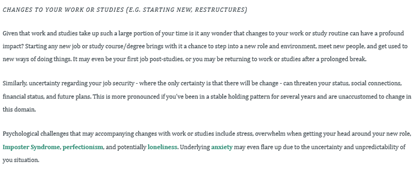
- Major Life Changes: Events such as moving, getting married, having a baby, or losing a loved one can be very stressful.
- Health Concerns: Worrying about personal health or the health of a loved one can cause emotional strain.
- Academic Pressure: Stress from studying, exams, and achieving good grades can affect emotional well-being.
- Uncertainty About the Future: Fear of the unknown or anxiety about what the future holds can be a source of stress.
- Lack of Support: Feeling isolated or without a support network can cause emotional distress.
- Self-Esteem Issues: Struggles with self-worth, body image, or confidence can lead to stress.
- Overcommitment: Taking on too many responsibilities or trying to meet high expectations can be overwhelming.
- Trauma: Past traumatic experiences can have lasting effects on emotional health.
- Social Pressure: Pressure to conform to social norms or expectations can cause stress.
- Negative Thinking: Persistent negative thoughts and pessimism can increase stress levels.
- Work-Life Balance: Difficulty balancing work and personal life can lead to emotional stress.
- Loss of Control: Feeling powerless or out of control in certain situations can be stressful.
- Perfectionism: Setting unrealistically high standards for oneself can lead to constant stress.
- Fear of Failure: Anxiety about not meeting expectations or failing can cause emotional strain.
- Guilt and Regret: Feeling guilty about past actions or decisions can be a source of stress.
Social stressors
The most common social stress in life which you will probably experience is going away for collage, a rift between your friends or even the loneliness of moving away from everyone you have known.
Social factors that AI says can cause stress include:
- Interpersonal Conflicts: Disagreements or arguments with friends, family members, or colleagues can be a major source of stress.
- Social Isolation: Lack of social interaction or feeling disconnected from others can lead to feelings of loneliness and stress.
- Peer Pressure: Pressure to conform to the expectations or behaviors of peers can be stressful, especially for young people.
- Workplace Environment: A toxic work environment, high demands, lack of support, or poor relationships with coworkers and supervisors can cause significant stress.
- Social Obligations: Obligations to attend social events, family gatherings, or participate in social activities can sometimes be overwhelming and stressful.
- Cultural Expectations: Pressure to adhere to cultural norms and expectations can be a source of stress.
- Discrimination: Experiencing or perceiving discrimination based on race, gender, sexual orientation, or other characteristics can lead to stress.
- Lack of Social Support: Not having a strong support network of friends and family can make it difficult to cope with stressors.
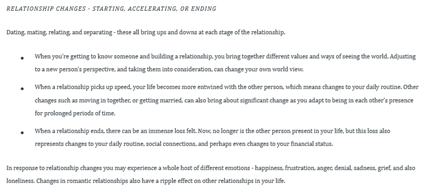
- Relationship Changes: Changes in relationships, such as divorce, breakup, or the beginning of a new relationship, can be stressful.
- Parenting Stress: The demands and responsibilities of raising children can be a significant source of stress.
- Social Media: Constant exposure to social media and the pressure to present a perfect image can lead to stress and anxiety.
- Community Stress: Living in an unsafe neighborhood or being part of a community experiencing high levels of crime or social unrest can cause stress.
- Economic and Social Status: Concerns about one’s social standing, job security, or financial stability can lead to stress.
- Bullying and Harassment: Experiencing bullying or harassment in any social setting can be extremely stressful.
- Changes in Social Roles: Transitions in social roles, such as becoming a caregiver for an elderly parent, can be a source of stress.
- Public Speaking: Fear of speaking in public or performing in front of others can cause significant anxiety and stress.
- Social Judgments: Worrying about being judged or criticized by others can be a source of stress.
- Major Life Events: Social changes like moving to a new city, starting a new job, or changing schools can cause stress.
Environmental stressors
Some environmental changes you might face is moving away from home to a new place, like a new university or even a different county.

Environmental factors that AI says can cause stress include:
- Noise Pollution: Constant or excessive noise from traffic, construction, or industrial activities can be very stressful.
- Air Pollution: Poor air quality due to smog, smoke, or other pollutants can cause stress and health issues.
- Extreme Weather: Severe weather conditions like heatwaves, storms, hurricanes, or extreme cold can be a source of stress.
- Overcrowding: High population density and living in crowded conditions can lead to stress.
- Urbanization: The fast-paced and hectic nature of urban living can contribute to stress.
- Work Environment: Poor working conditions, such as inadequate lighting, poor ventilation, or uncomfortable workspaces, can cause stress.
- Natural Disasters: Events like earthquakes, floods, and wildfires can cause immediate and long-term stress.
- Climate Change: Concerns about the long-term impacts of climate change can be a source of anxiety and stress.
- Unsafe Living Conditions: Living in an area with high crime rates or unsafe housing can be very stressful.
- Lack of Green Spaces: Limited access to parks and natural environments can contribute to stress.
- Traffic Congestion: Being stuck in traffic for long periods can be a daily source of stress.
- Toxins and Chemicals: Exposure to hazardous chemicals or toxins in the environment can cause stress.
- Poor Water Quality: Concerns about the safety and quality of drinking water can be stressful.
- Social and Economic Inequality: Living in areas with significant social and economic disparities can cause stress.
- Technological Overload: Constant exposure to digital screens and technology can contribute to stress.
- Lack of Privacy: Insufficient personal space or privacy can lead to stress.
- Lack of Access to Resources: Difficulty accessing essential services like healthcare, education, and transportation can be a significant stressor.
- Temperature Extremes: Living in areas with extreme temperatures without adequate heating or cooling can cause stress.
- Visual Pollution: Overwhelming amounts of advertisements, billboards, and unsightly urban landscapes can contribute to stress.
- Workplace Dynamics: Stressful interpersonal relationships and dynamics within the workplace environment.
Abuse
The stress of abuse may change certain parts of the brain so that even small amounts of stress trigger a “hyperarousal” response. This can result in hyperactivity, anxiety, sleep disturbances, and, as well as increased susceptibility to hyperactivity, conduct disorders, and memory and learning problems.
Thus abuse can cause major damage from small amounts of stress.
Vocation
Vocational stress refers to the stress caused by your professional settings. It can happen because of a number of reasons, like the fear of losing your job, not getting credit for your efforts, being blamed unfairly, working overtime, being pushed to meet unrealistic targets, not getting along with the boss or colleagues, or being forced to compromise with someone. Vocational stress causes feelings of fear and anxiety, and this stress can have negative impacts on your health
Life crises
Life crises often come from severe stress. You can recognize it by understanding if your behaviors aren’t typical (“you’re not yourself”). People react to stress differently and typical behavior for one person might be extremely different for another.
Stress may cause a life crises and I life crisis can cause stress.
The symptoms of a quarter-life crisis, such as stress and worry in general, can have an influence your wellbeing. People who experience a quarter-life crisis are more prone to have anxiety, sadness, and post-traumatic stress disorder, according to research from the American Psychological Association.
Personality
A person’s reaction to stress is great determined by their personality. Personality traits reflect the way we think, feel and behave in a situation.
“There are certain personality traits which make a person more susceptible to stress,” say psychiatrists from the Department of Psychiatry at Singapore General Hospital (SGH), a member of the SingHealth group.
Examples of personalities include:
- Obsessional personality
Perfectionists and people who set high standards for themselves and others. They are rigid and react poorly to changes in their living environment.
- Anxious personality
Worriers who gets anxious over minor problems. They often overestimates the magnitude of their problems and underestimates their coping abilities. - Type A personality
The Type A personality was first described by 2 cardiologists (Friedman and Rosenman) who noted that individuals with such personalities were more susceptible to suffer from heart attacks. Typical Type A persons are ambitious, impatient, hard driving, competitive, have great sense of time urgency, often perform 2 or more tasks simultaneously, are restless, hostile, evaluate people or events in a suspicious manner, and are irritable.
Social Pressure
Peer pressure can impact your mental health through the development of anxiety and depression. The constant need to please others and fit in can lead to feelings of low self-esteem and inadequacy. This can cause individuals to become isolated, withdrawing from social situations. The fear of rejection and the pressure to conform can lead to high stress levels, which can negatively impact mental health.
Peer pressure can also impact mental health by promoting risky behaviors such as substance abuse. Peer groups can normalize unhealthy behaviors, making individuals feel like they need to do it to fit in, leading to a range of bad consequences, including addiction and physical and mental health problems.
Effects of stressors
Negative feelings and thoughts can lead to more stress which can become overwhelming. Negative thoughts and unhealthy coping mechanisms can lead to physical and emotional symptoms such as:
- Headaches
- Anxiety
- Depression
- Trouble sleeping / insomnia
- Muscle tension and backaches (muscle pain)
- Digestive problems and stomachache
- High blood pressure and heart problems
- Depression or anxiety
- Irritability
- Changes in appetite (eating too much or too little)
- Trouble concentrating
- Alcohol or drug abuse
Try to prevent stressors as much as possible. This is because it is not good for your physical or emotional health. These can lead to disorders such as PTSD, bipolar, depression or stress disorder
“An adjustment disorder is an emotional or behavioral reaction to a stressful event or change in a person’s life.”
Johns Hopkins Medicine
